Learn about Waggler floats

Waggler Floats: Precision for Stillwater Fishing
A Brief History
Waggler floats emerged as stillwater fishing grew in popularity during the 20th century. Anglers needed a float that could be cast accurately and fished with the line attached only at the bottom, allowing better bite detection at distance. The waggler quickly became the standard float for lakes, ponds, and canals, and remains one of the most versatile float designs today.
What Waggler Floats Are
A waggler is a bottom-attached float, meaning the line is fixed only at the base rather than running through the body. This design allows the float to stand upright and register even the smallest lift or dip bites. Wagglers can be straight or bodied, depending on the amount of buoyancy required.
What They Are Made From
Traditional waggler floats were made from:
-
Peacock quill for sensitivity
-
Cane or wood for strength and balance
Modern wagglers are commonly made from:
-
Balsa or foam bodies
-
Plastic or carbon stems
-
Painted or hollow tips for improved visibility
-
Loaded bases on some models to aid casting
When and Where to Use Waggler Floats
Waggler floats are ideal for:
-
Stillwaters such as lakes, ponds, and canals
-
Fishing at distance, where accuracy matters
-
Calm or lightly breezy conditions
-
Bottom or mid-water fishing with fine tackle
They are especially effective for species like roach, skimmers, bream, perch, and carp.
When Not to Use Them
Wagglers are less suitable when:
-
Fishing rivers with noticeable flow, where stick or Avon floats perform better
-
Strong winds, which can drag the line and reduce bite indication
-
Very close-in fishing, where a pole float offers better control
-
Heavy currents or turbulent water, which can pull the float under
In Summary
Waggler floats are a cornerstone of stillwater fishing, offering sensitivity, accuracy, and flexibility. Their simple bottom-attached design makes them easy to use yet highly effective across a wide range of conditions.
A brief overview of the different types of waggler:
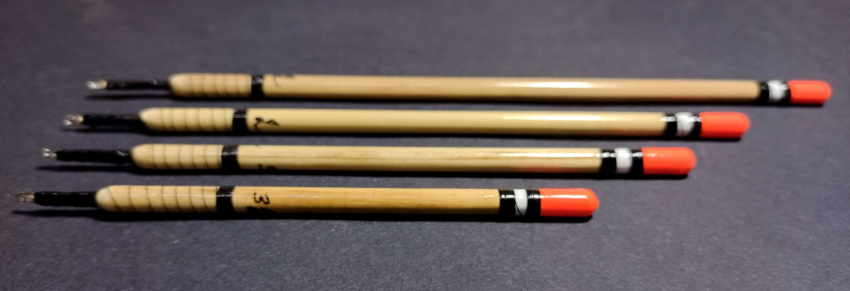
Straight wagglers are parralel sided floats attached bottom end only. Because their bodies do not taper and their tips are relatively thick, they provide excellent buoyancy and stability.
When to use straight wagglers:
- In windy or wavy conditions: The thick, buoyant top prevents the float from being easily dragged under or pulled off-course by surface tow.
- On rivers: They counteract the pull of flowing water, making them ideal for "trotting" or dragging your bait slowly along the riverbed.
- For large baits: They support the weight of bulkier, heavier baits (like corn, meat, or large pellets) without sinking prematurely.
- At longer ranges: The thicker, brightly coloured tips make them easier to see at a distance compared to delicate insert
When not to use them:
- If you are fishing in perfectly calm, flat waters.
- When targeting very shy-biting fish (like roach or skimmers) in clear water. For these scenarios, a slimmer insert waggler is much better at registering tiny bites
Insert Wagglers and Bodied Wagglers Explained
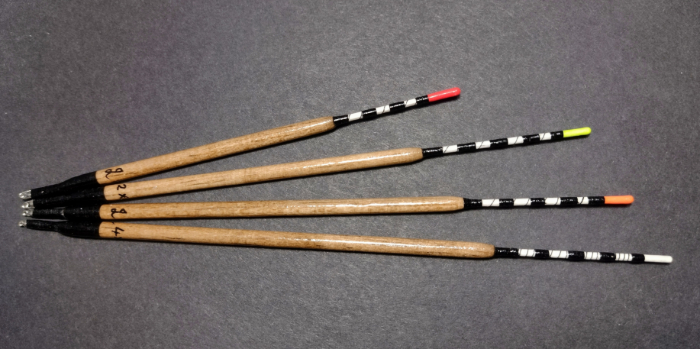
Insert wagglers feature a thin, highly visible insert tip—usually made from plastic or hollow material—set into the top of the float. This fine tip exaggerates small movements, making insert wagglers ideal for delicate bite detection, lift bites, and cautious fish. They excel in calm conditions, on stillwaters, and when fishing for shy-biting species like roach and skimmers with light tackle.
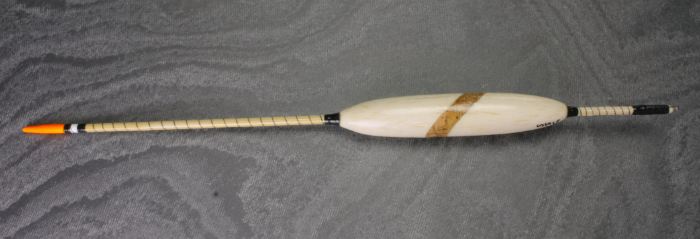
Bodied wagglers have a thicker body near the base, providing extra buoyancy and casting weight. This makes them better suited to longer-range fishing, deeper water, and slightly windy conditions where a straight or insert waggler may struggle to settle or remain stable. They are commonly used for bream, carp, and mixed catches where stronger control is needed.
In simple terms, insert wagglers prioritise sensitivity, while bodied wagglers prioritise stability and casting performance. Choosing between them depends on distance, wind, depth, and how subtle the bites are likely to be.
Loaded Wagglers Explained
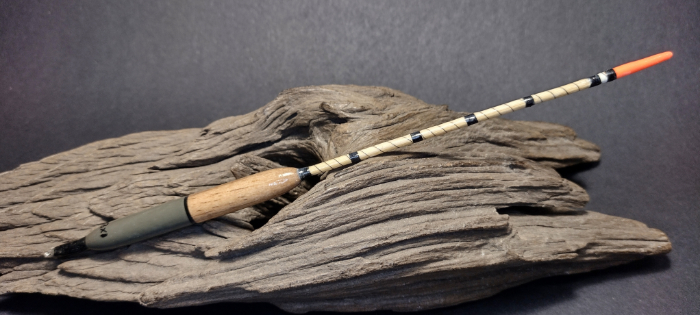
Loaded wagglers have weight built into the base of the float, usually in the form of metal discs or a weighted stem. This built-in loading improves casting accuracy, helps the float fly straight, and allows it to settle quickly and stand upright as soon as it lands.
They are especially useful when fishing at range, in breezy conditions, or when repeatedly casting to the same spot, such as on commercial fisheries or large stillwaters. Because much of the shotting is already in the float, the rig can be kept simpler, with fewer shot needed down the line.
Loaded wagglers are less suitable for very shallow water or when extremely fine adjustment of shotting is required, as the fixed weight reduces flexibility. They also offer slightly less finesse than an un-loaded insert waggler when bites are exceptionally delicate.
In practice, loaded wagglers provide speed, consistency, and control, making them ideal when efficiency and repeatability matter more than maximum sensitivity.
Looking for more advice? Visit my Fishing Float Guides page for more help on choosing and using traditional floats.