Stret-Pegging: A Traditional River Fishing Method That Still Catches Fish
Stret-Pegging: A Traditional River Fishing Method That Still Catches Fish
In an age of feeders, method feeders, pellets and bolt rigs, some of the most effective river fishing techniques are in danger of being forgotten. One such method is stret-pegging.
For generations, river anglers have used stret-pegging to present a bait naturally to species such as chub, roach, dace, grayling and barbel. It remains one of the most rewarding and effective ways to fish flowing water, particularly on medium-sized rivers where fish are holding in steady runs and glides.
But what exactly is stret-pegging, when should you use it, and what tackle works best?
What Is Stret-Pegging?
- Stret: A local Nottingham/Midlands dialect term derived from the act of "stretching" or releasing the line to let the float travel down the river.
- Pegging: Refers to keeping the float stationary ("pegged" in place) by holding back against the current, forcing the bait to drag along the riverbed.
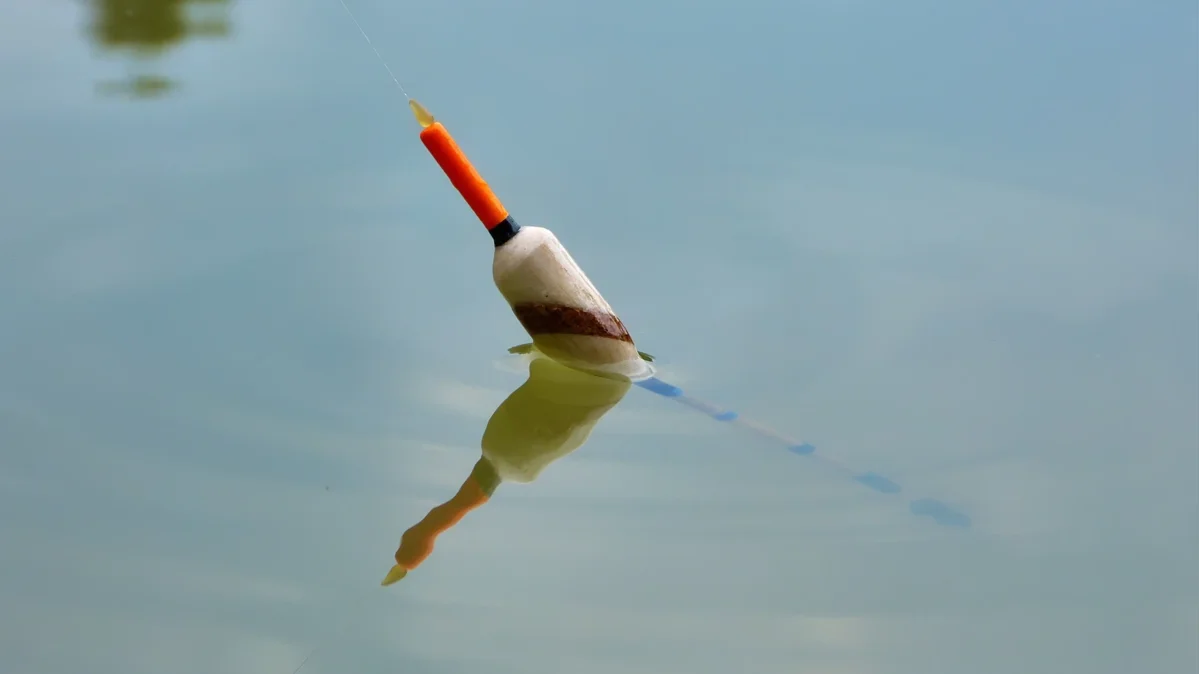
Stret-pegging is a method of float fishing where the bait is allowed to travel downstream slightly slower than the speed of the current. The float is normally attached top and bottom, significantly over-shotted, and fished to lay flat or tilted on the surface. The float is held back often to inch the bait along the riverbed
Rather than letting the float race away naturally, the angler gently checks or "holds back" the float. This method of fishing is an absolute pleasure when using a center pin reel. It causes the bait to lift slightly and move more slowly through the water, often just above the riverbed where many fish are feeding. Remember - water close to the river bed is affected by friction and is much slower than water at the surface where your float is! The deeper your bait is, the more 'out of sync' speed wise your float will be. Baits being 'dragged' along will never be taken by a fish, no matter how hungry it is. With stret pegging, you are aiming to get your bait to travel ever so slower than these bottom currents (thats the bit where 'art' takes over from 'science')
The technique is particularly effective because it allows the bait to spend longer in the areas where fish are waiting to intercept food.
 Perfect stret-pegging floats
How To Fish the Method
The basic principle is simple.
Cast upstream or slightly across the current and allow the float to settle. As the float travels downstream, keep in contact with it using the rod and line.
Every few feet, gently tighten against the float to slow its progress. The float should dip slightly as it resists the current before continuing downstream.
This repeated checking action causes the bait to rise and fall naturally, imitating food items being carried by the flow.
Many anglers describe it as "guiding" the bait through the swim rather than simply watching it drift away.
The key is subtlety. Holding back too hard will lift the bait unnaturally and may spook fish. Gentle, regular checks are usually more effective.
Why It Works
Most food carried by a river does not travel at exactly the same speed throughout the water column.
Water near the riverbed moves much more slowly than water on the surface due to friction. By holding back the float slightly, the bait behaves more naturally in these slower lower layers.
This often produces bites from fish that ignore a bait travelling too quickly.
The technique also keeps the bait in productive areas for longer, increasing the chances of a fish intercepting it.
Best Conditions for Stret-Pegging
Stret-pegging excels in:
- Long glides
- Even-paced runs
- Steady gravel-bottom swims
- Moderate river flows
- Water between 3 and 8 feet deep
It is particularly effective where fish are feeding close to the bottom but are willing to move slightly to intercept food.
The method comes into its own during autumn and winter when fish often sit in deeper steadier water and are less inclined to chase a fast-moving bait.
When Not To Use It
Like all methods, stret-pegging has limitations.
It is generally less effective in:
- Very shallow water
- Fast turbulent rapids
- Heavy snag-filled swims
- Slow, almost still water
- Situations where fish are feeding high in the water
In these situations a free-running stick float, waggler or static presentation may produce better results.
Holding back too aggressively in shallow clear water can also make the rig look unnatural.
Which Species Respond Best?
Stret-pegging is a classic approach for:
Chub
Few methods are more effective for river chub. A bait held back gently through a crease or glide often produces confident bites.
Roach
Roach frequently respond to the lift-and-drop motion created by checking the float.
Dace
Dace can be extremely responsive to a slowly guided bait, particularly on smaller rivers.
Grayling
Grayling often sit near the bottom in steady runs. Stret-pegging allows a bait to remain in their feeding zone for longer.
Barbel
While many anglers now target barbel using feeders, a controlled float presentation remains one of the most exciting ways to catch them.
Choosing the Right Float
The ideal float depends on river conditions.
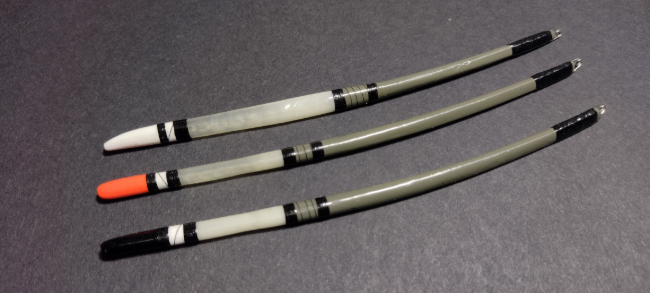
Traditionally (and still of great value to todays anglers) - a large swan quill float was used, or a larger (9 inch +) porqupine quill.
Stick Floats
Traditional stick floats are often the first choice for shallower runs and glides. Their design allows excellent line control and makes holding back easy.
Avon Floats
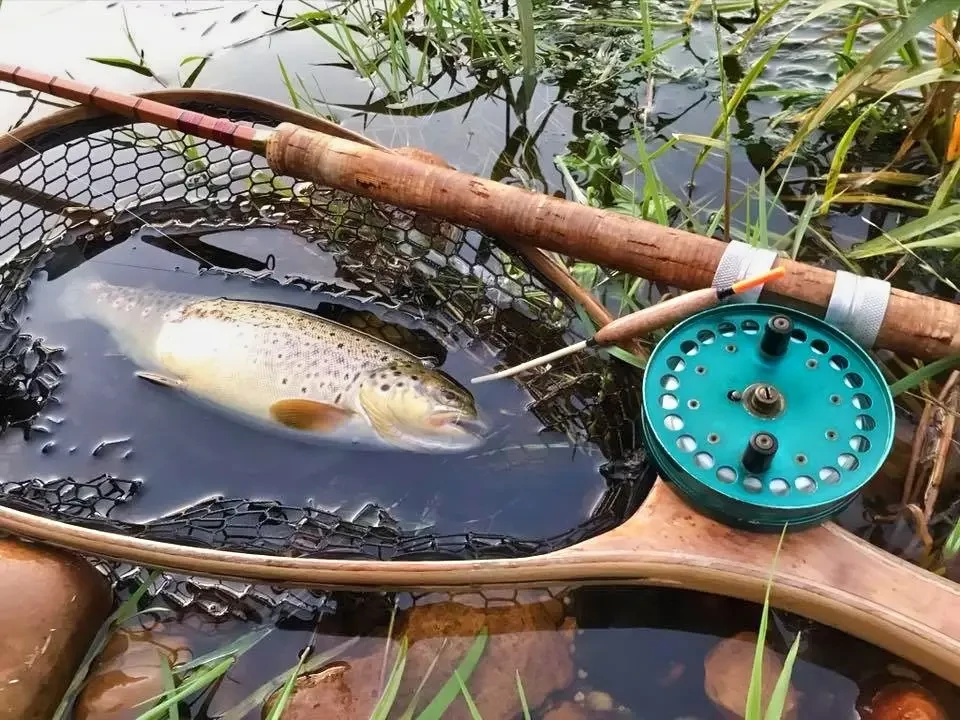
For deeper water or stronger flows, Avon-style floats offer greater stability and buoyancy. Their larger body provides excellent control when repeatedly checking the float's progress.
Wire-Stem Floats
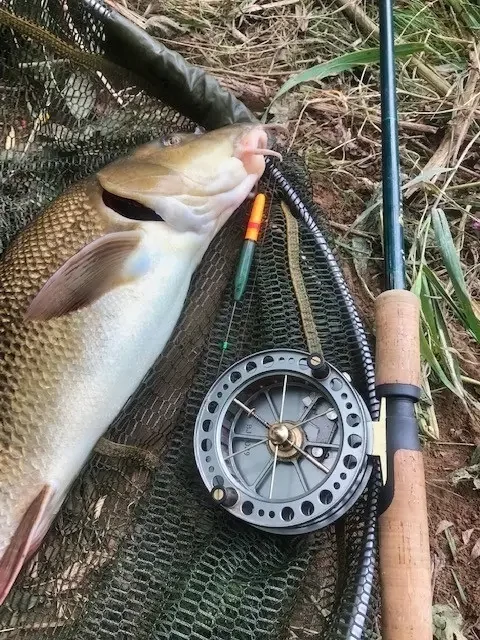
In faster water, wire-stemmed patterns can provide additional stability and help maintain a controlled presentation.
A Traditional Skill Well Worth Learning
Stret-pegging is one of those methods that rewards watercraft and concentration.
Rather than simply casting out and waiting, the angler becomes actively involved in guiding the bait through the swim. Every run through the peg is slightly different, and every adjustment teaches you more about how the river behaves.
While modern tactics undoubtedly catch fish, there is something immensely satisfying about watching a float travel perfectly through a glide before disappearing under the surface.
For anglers who enjoy traditional river fishing, stret-pegging (with a handmade float:) remains one of the most enjoyable and effective techniques ever developed.
Looking for more advice? Visit my Fishing Float Guides page for more help on choosing and using traditional floats.



Andy
06 October 2026What an absolute joy to read. My father taught me to float fish and this is a breath of fresh air. Never a truer word spoken to get the angler back to that essential connection to the living and moving river.