How to Fish the Lift Method for Tench - and more
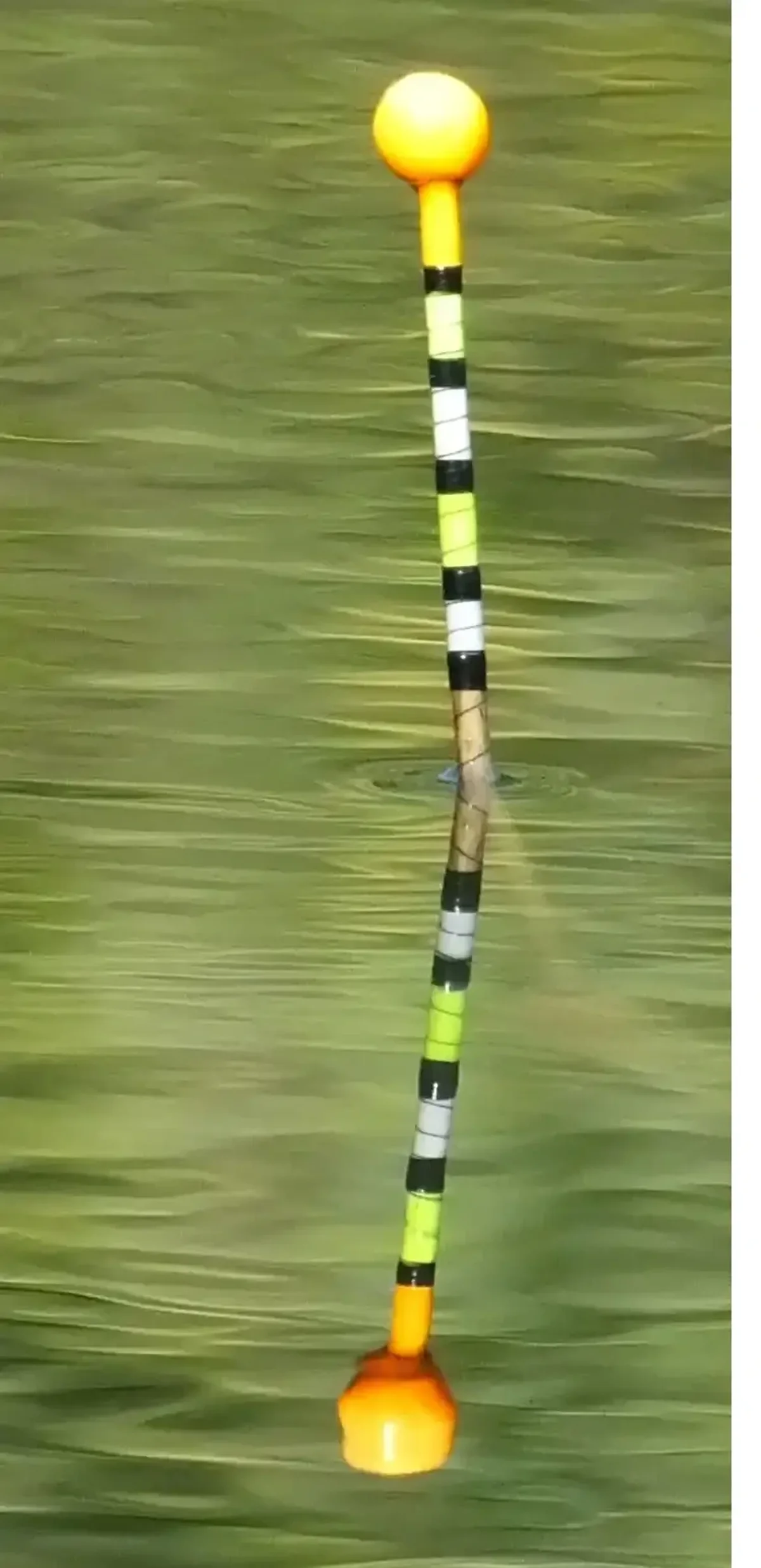
How to Fish the Lift Method for Tench (and more...)
The lift method is one of the most distinctive and effective ways to catch tench. Rather than waiting for a float to disappear beneath the surface, the angler watches for it to rise, lean over or lie completely flat as a feeding fish lifts the bait and shot from the lake bed.
It is a wonderfully visual form of fishing. Few sights are more exciting than a brightly coloured float tip slowly climbing from the water on a calm summer morning, especially when the fish responsible is likely to be a powerful tench.
Although the lift method is closely associated with traditional tench fishing, it remains just as useful today. It can be fished with modern lines, hooks and reels, but the basic principle has changed very little.
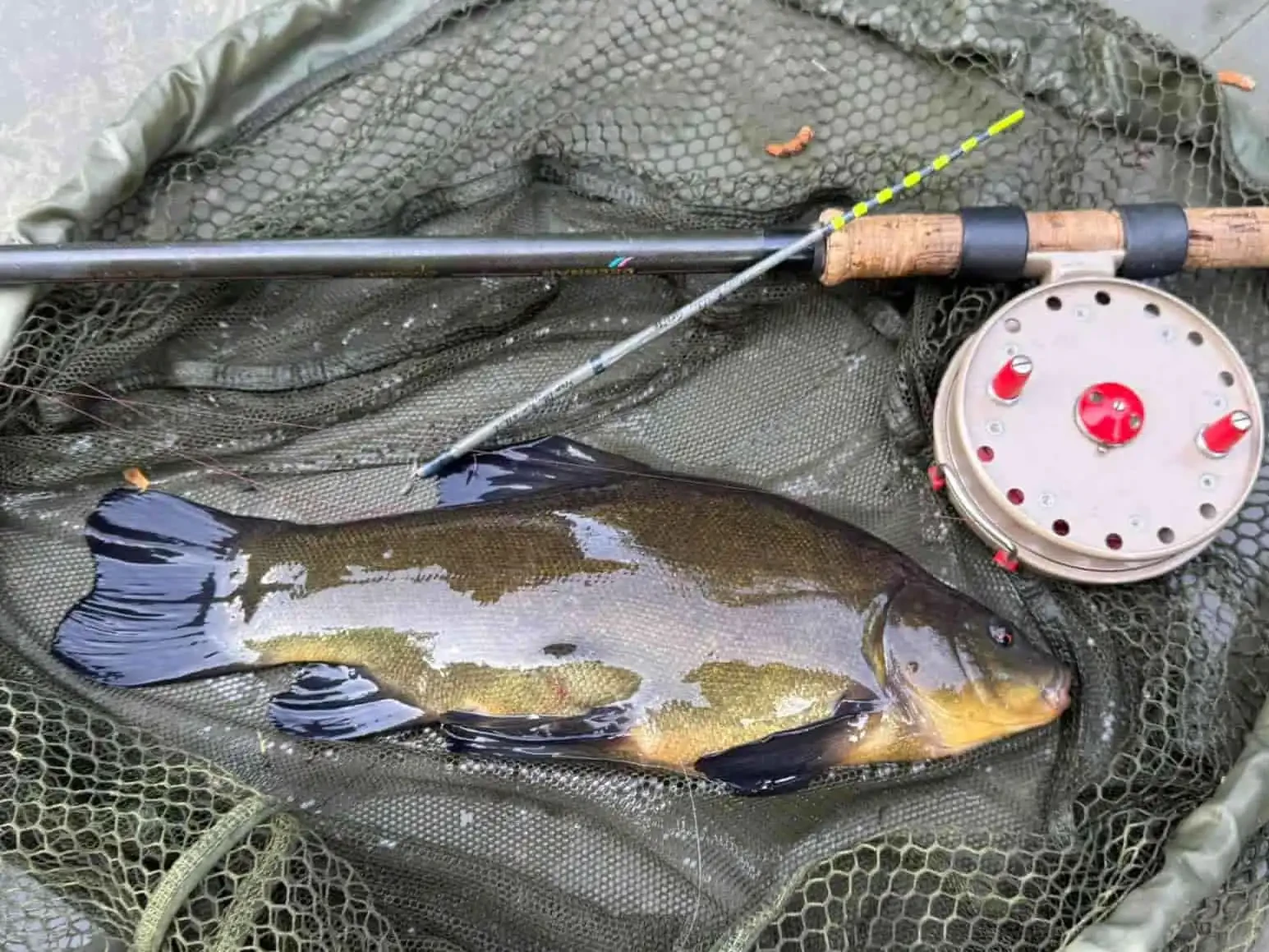
Caught using a Quill tench lifter float
What Is the Lift Method?
The lift method is a bottom-fishing technique in which the bait and one or more heavy shot rest on the lake bed.
The float is set slightly overdepth and the line is tightened until the float sits upright. The float is therefore being held in position by the weight of the shot on the bottom rather than simply being cocked by shot suspended beneath it.
When a tench picks up the bait and lifts the shot, some or all of the weight holding the float down is removed. The float then rises higher in the water, leans to one side or lies flat on the surface.
This creates the classic lift bite.
The float may also disappear beneath the surface if the fish moves away with the bait, so lift method anglers must be prepared for several different bite indications.
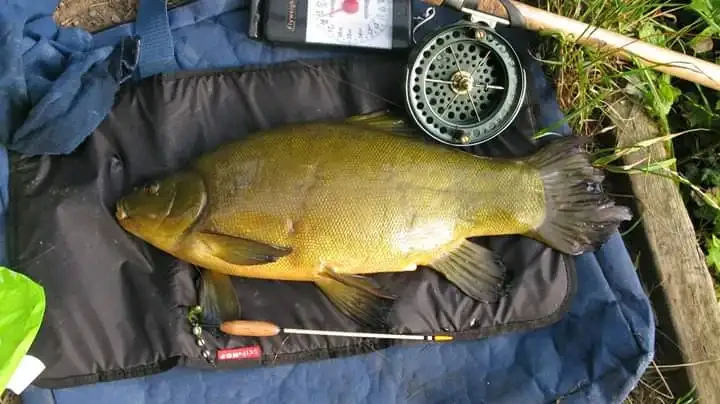
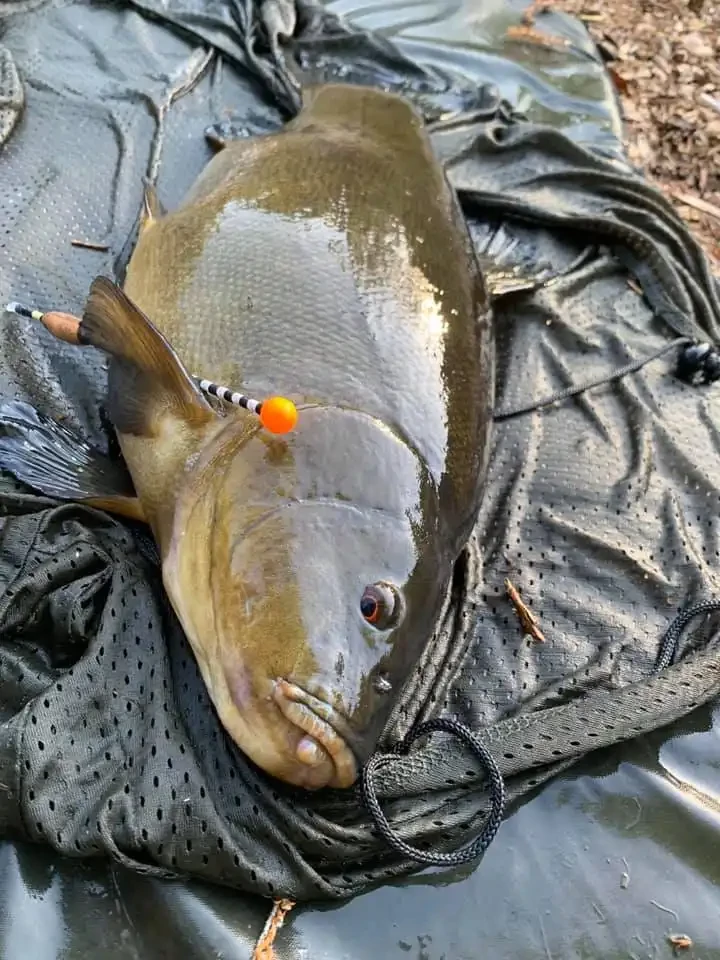 Tench caught using a windbeater float (4AAA)
Why Is the Lift Method So Effective for Tench?
Tench spend a great deal of their feeding time searching for food on or close to the bottom. They grub amongst weed, silt and debris for natural food such as snails, insect larvae and small freshwater creatures.
Baits including sweetcorn, worms, maggots, bread, luncheon meat and pellets can therefore be presented naturally on the lake bed.
The concentrated shotting used with the lift method also provides a very positive indication when the bait is moved. A tench does not need to pull the float several inches underwater before the angler sees a bite. Simply lifting the shot can produce an obvious movement at the surface.
This makes the method particularly useful when fishing close to marginal weed, lily pads, reeds and other features where tench often feed.
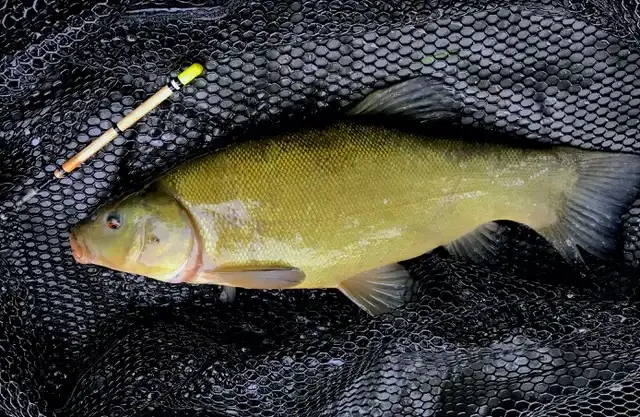 Tench caught using a straight waggler
Choosing a Lift Method Float
A lift method float should be easy to see and stable enough to remain readable when there is a slight ripple.
Traditional choices include: (click to see suggested floats)
The float is normally attached at the bottom only, allowing it to cast cleanly while providing a clear lift indication.
A long float is often easier to use than a short one because more of the float can rise from the water before the bite becomes difficult to read. A brightly coloured top or sight bob is helpful when fishing amongst reflections or at longer range.
A bodied or windbeater-style lift float can provide additional stability in a ripple. The body remains low in the water while the long stem and visible tip make upward movement easy to detect.
The float does not need to be enormous. It simply needs enough capacity to work with the shot required to hold the bait securely on the bottom.
Click to see suitable tench floats here
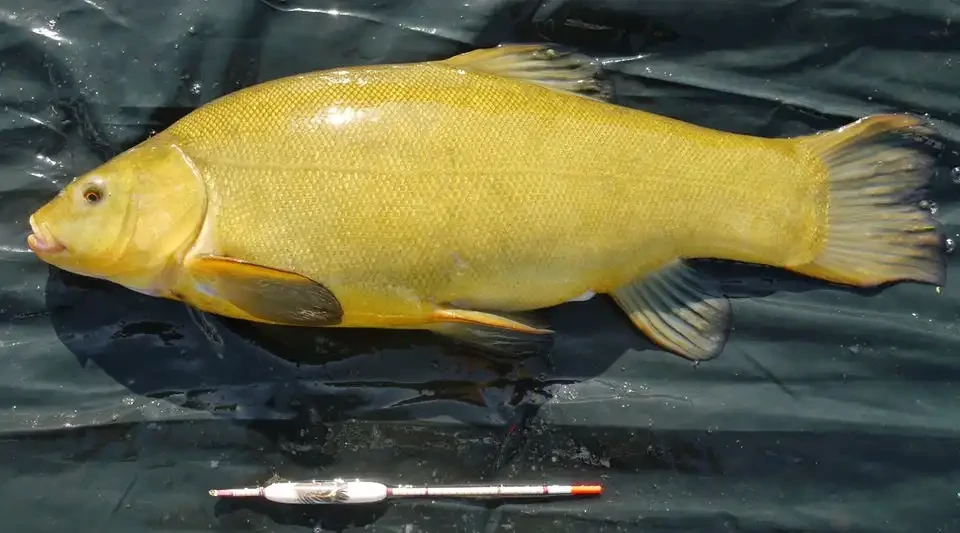
Tench caught using a bodied waggler
Tackle for Lift Method Tench Fishing
Lift method fishing does not require complicated tackle.
A typical setup might include:
-
A float rod of around 11 to 13 feet.
-
A reliable fixed-spool reel.
-
Main line of approximately 4 to 8 lb breaking strain, depending on the swim.
-
A suitable lift method float.
-
One or more BB, AAA or SSG shot.
-
A strong hook appropriate for the bait being used.
-
A landing net with a long handle.
Lighter tackle may be suitable for open water containing smaller tench. Stronger line and tackle will be necessary when fishing close to lilies, reed beds, roots or thick weed.
Tench are powerful fish and often head immediately towards cover when hooked. It is better to use tackle strong enough to control them than to fish unnecessarily light and risk leaving a fish trailing broken line.
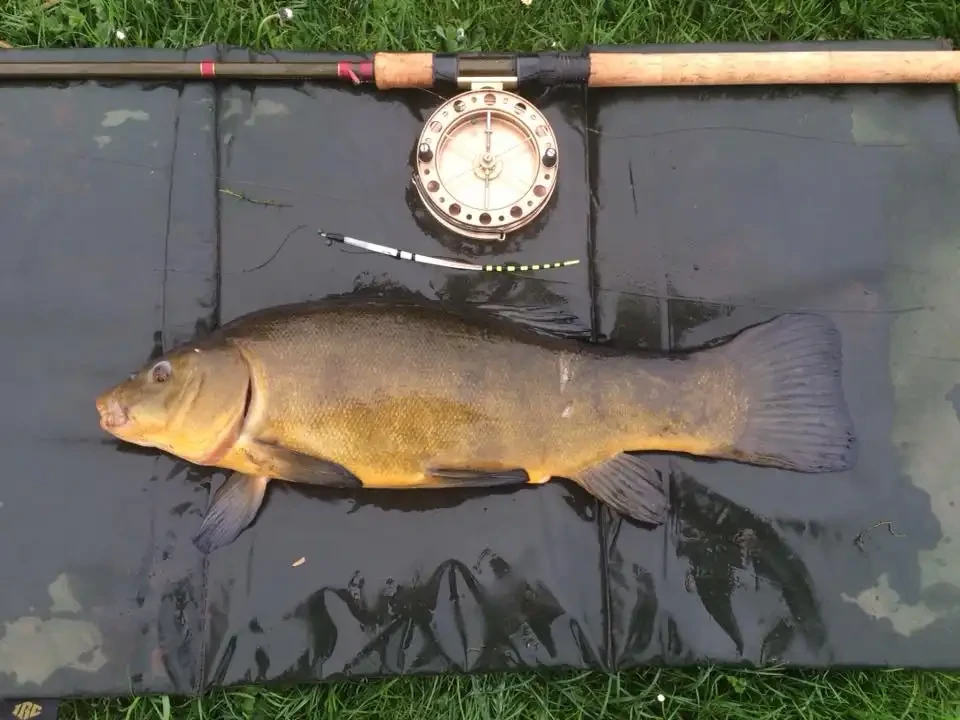
Tench caught using a tench lifter float
How to Set Up a Lift Method Float
The basic lift method rig is very simple.
Attach the float bottom-end only using a float rubber, float adaptor or suitable connector. Place the main shot close to the hook, usually somewhere between approximately two and six inches away.
The exact distance can be adjusted according to the bait, bottom conditions and how confidently the fish are feeding.
Placing the shot very close to the hook produces a particularly positive indication because the fish lifts the weight almost immediately. Moving it slightly farther away can give a more natural presentation and may help when bites are cautious.
The hook bait rests on the bottom, along with the main shot.
It is important that the shot is heavy enough to anchor the rig securely. If it rolls across the lake bed or is constantly moved by undertow, the float will give false indications and the bait may not remain where it was fed.
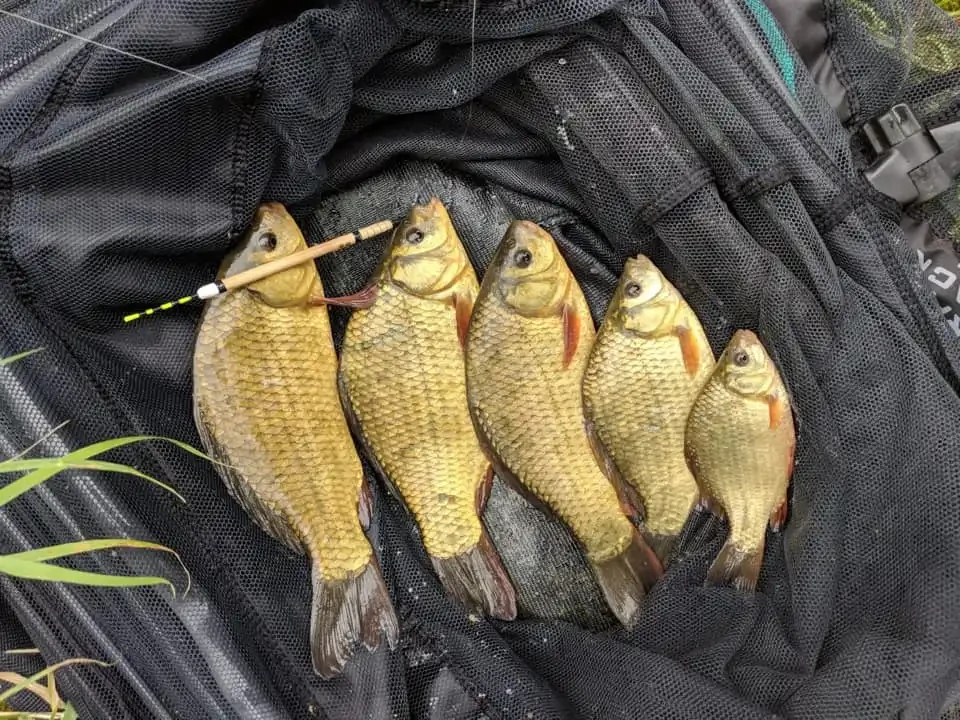
The lift method is also deadly for crucian carp - here using the bristle tip float
Finding the Correct Depth
Accurate plumbing is one of the most important parts of lift method fishing.
Begin by using a plummet to find the depth of the swim. It is also worth checking several nearby areas because lake beds are rarely completely level. There may be shelves, depressions, weed, soft silt or patches of harder ground.
Once the depth has been found, set the float slightly overdepth.
The amount of extra depth required will vary. In many swims, fishing several inches overdepth is enough. More may be needed where the bottom is uneven or where the bait is being presented on a slope.
Cast into position and allow the shot and bait to settle. Then slowly tighten the line until the float stands upright with the desired amount of tip showing.
The float is now being pulled against the weight resting on the bottom.
Avoid tightening too aggressively. Excessive tension can drag the shot, move the bait away from the fed area or cause it to bury into soft silt.
Casting and Positioning the Rig
The lift method is often at its best when fished close to the bank.
Tench frequently patrol along reed beds, beneath overhanging bushes, beside lily pads and along the edge of marginal weed. There is not always any need to cast towards the middle of the lake.
When fishing the margins, lower the rig into position gently whenever possible. This creates less disturbance than repeatedly casting directly onto the feeding area.
For longer casts, try to feather the line before the float lands. This helps straighten the rig and reduces the chance of the hook bait tangling around the float or shot.
After the rig lands, allow it to settle fully before tightening the line.
Rod position is also important. Place the rod in rests so that the line runs cleanly from the rod tip to the float. Keeping the rod tip low can help reduce the effect of surface drift, although the best position will depend on the swim and wind direction.
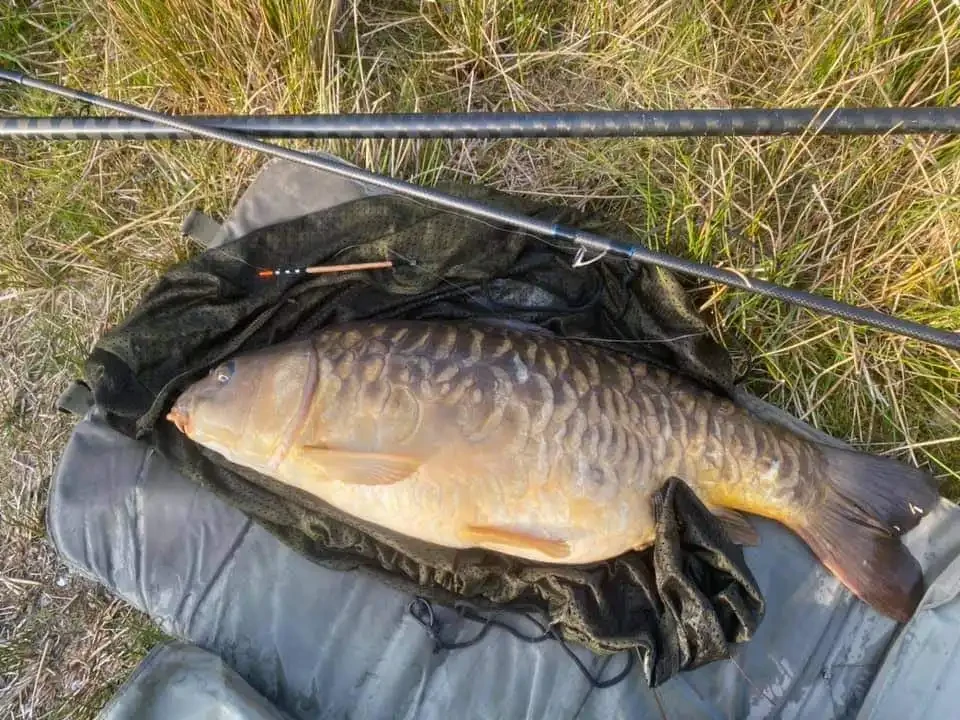
Lift method - canal dart - one nice carp in thr bag!
Reading Lift Method Bites
The classic lift bite occurs when the float rises from the water.
It may:
-
Rise slowly until much more of the tip is visible.
-
Lift sharply upwards.
-
Lean over at an angle.
-
Fall completely flat on the surface.
-
Rise and then slide away.
-
Disappear beneath the surface without lifting first.
A float that suddenly lies flat is not necessarily a missed bite. It often means the tench has lifted the shot and is moving towards the angler.
A float that rises slightly and then settles again may indicate that a fish has disturbed the bait, nudged the line or briefly picked up and rejected the hook bait.
Do not strike at every tiny tremble. Tench often produce small movements while feeding around the baited area. Wait for a definite lift, steady movement or disappearance.
However, it is also unwise to wait too long once the float gives a clear and deliberate indication. Tench can eject a bait surprisingly quickly when they feel resistance.
When Should You Strike?
Strike when the float makes a positive movement that is clearly different from the small knocks and trembles caused by fish feeding nearby.
This might be when:
-
The float continues to rise.
-
It lies flat and begins to move across the surface.
-
It slides sideways.
-
It disappears steadily beneath the water.
The strike should be firm enough to set the hook but does not need to be violent.
When fishing close to weed or other cover, raise the rod smoothly and apply pressure immediately. Allowing the fish to build speed can make it much harder to prevent it reaching lilies, reeds or submerged branches.
Once the tench is in open water, maintain steady pressure and let the rod absorb sudden lunges.
Tench often fight particularly hard beneath the rod tip, so do not rush the final stages of landing the fish.
Feeding the Swim
Tench respond well to careful feeding, but it is easy to overfeed them.
A small bed of groundbait containing particles, pellets, chopped worm or dead maggots can be effective. Loose-fed sweetcorn, casters, maggots or small pellets may also be used.
The best approach depends on the venue and the number of fish present.
On a well-stocked lake, regular feeding may hold several tench in the swim. On a lightly stocked or pressured water, a small amount of feed presented accurately may be more effective than a large carpet of bait.
When margin fishing, a bait dropper, pole pot or small cup can place the feed accurately with very little disturbance.
If bubbles, clouded water or moving weed appear over the baited area, tench may already be feeding. Avoid recasting unnecessarily while fish are present.
Good Baits for the Lift Method
Many traditional and modern tench baits work well with a lift float.
Popular choices include:
-
Sweetcorn.
-
Lobworms and smaller redworms.
-
Maggots and casters.
-
Bread flake.
-
Luncheon meat.
-
Soft hook pellets.
-
Prawns.
-
Small boilies or wafters.
-
Cockles and other traditional baits where permitted.
The bait should remain securely on the hook and be heavy enough to settle naturally on the bottom.
A balanced or slightly buoyant bait can also work, but the rig must still function correctly. The bait should not be so buoyant that it lifts the anchoring shot or prevents the float from being tightened into position.
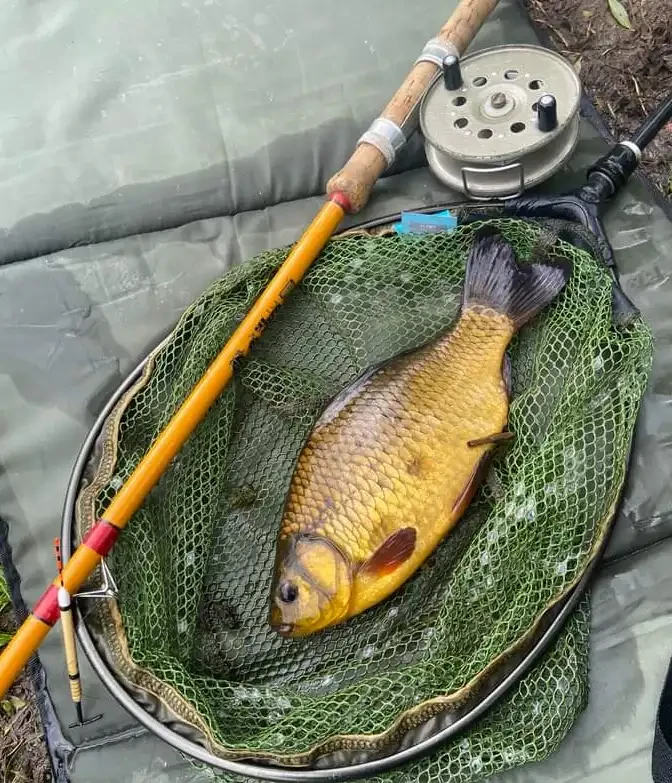
Crucian caught using the crucian bristle tip float
Fishing Over Silt and Weed
Tench lakes often contain soft silt or low-growing weed.
A heavy shot can sink into very soft silt, reducing bite sensitivity and potentially pulling the hook bait into the bottom. Moving the shot slightly farther from the hook or using a broader, less concentrated weight arrangement may help.
It is worth plumbing carefully to locate firmer patches.
In light weed, the lift method can still be extremely effective. The bait and shot may be presented in small clear areas, along weed edges or on top of low-growing weed.
In very thick weed, however, the rig may not settle properly. The float may remain unstable and the hook bait can become hidden. A different presentation may then be more practical.
Wind, Drift and Undertow
The lift method is easiest to fish in calm or lightly rippled conditions.
Strong surface drift can pull the line and move the float, while undertow can shift the shot along the bottom. This produces false bites and makes precise presentation difficult.
A heavier float and shot may improve stability. A long, visible windbeater-style float can also be easier to read in choppy conditions.
Sinking the line beneath the surface may reduce the effect of wind, but care is needed not to drag the rig out of position.
Where conditions become too rough, a conventional bottom-fishing rig, pole float or heavier waggler setup may be more effective.
Common Lift Method Mistakes
Fishing at the Wrong Depth
If the float is not set sufficiently overdepth, the shot may hang above the bottom and the rig will behave like an ordinary float setup.
Tightening the Line Too Much
Pulling too hard can drag the shot and bait away from the feeding area. Tighten only enough to bring the float upright.
Using Insufficient Weight
The shot must anchor the rig. If it moves in the wind or undertow, the float will not provide reliable indications.
Striking at Every Movement
Small trembles may be caused by tench brushing the line, feeding nearby or disturbing the bottom. Wait for a positive bite.
Waiting Too Long
Once the float rises confidently or begins moving away, delaying the strike can allow the fish to eject the bait or reach nearby cover.
Making Too Much Disturbance
Repeated casting, heavy footsteps and unnecessary movement can frighten tench from shallow margins.
Using Tackle That Is Too Light
A delicate-looking float does not require dangerously light tackle. Line strength should be chosen according to the size of the fish and the amount of weed or cover present.
When Is the Lift Method Best?
The lift method is particularly effective:
-
During spring and summer when tench are feeding actively.
-
Early in the morning or during the evening.
-
In shallow lakes, estate lakes and mature ponds.
-
Along reed beds and weed lines.
-
Beside lily pads.
-
In quiet margins.
-
Over accurately placed beds of feed.
-
When the water is calm or carries only a gentle ripple.
It can also work during the middle of the day, especially in coloured water, beneath overhanging cover or when tench have been feeding regularly in a particular area.
When Is Another Method Better?
The lift method is less suitable when:
-
Fishing at extreme range.
-
The water is very deep.
-
Strong wind makes the float difficult to control.
-
Heavy undertow moves the rig.
-
The bottom is covered in thick weed.
-
The lake bed is so soft that the shot repeatedly disappears into deep silt.
-
Fish are feeding well above the bottom.
-
A bait must be held in flowing water.
In these situations, a conventional waggler, sliding float, pole float, feeder or ledgered bait may provide better presentation.
More Than Just a Tench Method
Although it is strongly associated with tench, the lift method can catch many other bottom-feeding fish.
Bream, crucian carp, common carp and large roach may all produce lift bites. It can be especially effective for crucians, although smaller and more sensitive tackle may be required to detect their delicate movements.
Even so, the method and the tench remain inseparably linked in the minds of many traditional anglers.
A Traditional Method That Still Works
The lift method has endured because it is simple, sensitive and perfectly suited to the natural feeding behaviour of tench.
It does not require complicated rigs or expensive equipment. Success depends far more upon careful plumbing, quiet bankside behaviour, accurate feeding and learning to interpret the float.
When everything is set correctly, the float becomes a direct connection to the bait resting on the lake bed.
A small tremble suggests that fish have arrived. The tip rises slightly, pauses and then continues upwards. The float finally falls flat as the line begins to move across the surface.
That unmistakable moment is why generations of tench anglers have continued to fish the lift method—and why it remains one of the most enjoyable ways to catch one of Britain’s finest stillwater fish.



Thank you for posting your blog comment. It will be reviewed and set live soon. If you provided your email then you will be notified of replies to this comment.