How to choose the right Avon float?

How to Choose Avon Floats for River Fishing

This guide will help you choose the right Avon float for your river, your target species, and your level of experience. (Click here to buy a complete replica set of Billy's Avon floats)
What Are Avon Floats?
Avon floats are classic top-and-bottom attached trotting floats designed for river fishing. Their key features include:
- A buoyant top section for stability and visibility
- A streamlined body for smooth travel through the current
- Strong construction to handle flowing water
Unlike ultra-specialist patterns, Avon floats are true all-rounders, making them ideal for anglers who want one set to cover multiple situations.
What Size Avon Float Should I Use?
Choosing the right size comes down to flow speed, depth, and distance from the bank.
Small Avons (3BB – 4BB)
Best for:
- Shallow water
- Slower glides
- Fishing close in
These give a more delicate presentation—perfect for wary fish like roach and dace.
Medium Avons (5BB – 4AAA)
Best for:
- Moderate depth and flow
- General trotting situations
This is your go-to range for most UK rivers. Suitable for many roach, chub, perch and grayling swims
Large Avons (5AAA – 3/4SSG)
Best for:
- Deep, fast water
- Long-distance trotting
These carry more shot, hold their line better, and stay stable in powerful currents—ideal for chub, barbel and bigger river fish.
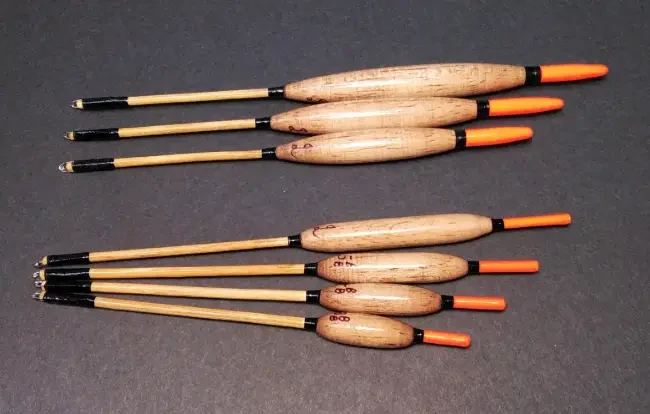
My range of Avon floats here offer sizes to cover most situations you will face and have differnet tip sizes - why?
Sight Tip Design for Control & Visibility
A key feature of this Avon float set is the carefully matched sight tip sizing across the range. The smaller floats (3BB, 4BB, 5BB and 4AAA) are fitted with a slimmer 3mm sight tip, making them ideal for close-range fishing in steadier, more gentle swims where subtle presentation and minimal resistance are important.
The larger patterns (5AAA, 3SSG and 4SSG) feature a more substantial 5.5mm sight tip, providing improved visibility when trotting at distance or fishing deeper, faster water. This ensures you can maintain clear control of the float even in more demanding river conditions.
This balance of finesse and visibility across the set allows you to fish effectively across a wide range of river situations.
Are Avon Floats Good for Fast Rivers?
Yes—this is where they really shine.


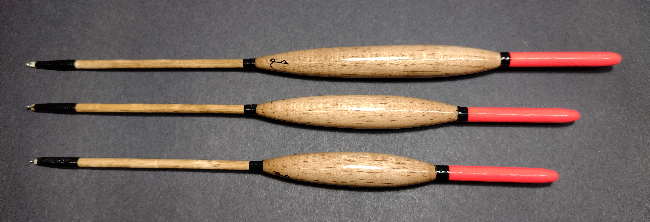
Click to Buy Large Avon floats like these
Thanks to their buoyancy and stability, Avon floats handle faster flows better than many lighter patterns. The larger sizes, in particular:
- Stay upright in turbulent water
- Carry enough shot to get your bait down quickly
- Maintain control when trotting at distance
While stick floats can sometimes offer finer control in certain conditions, Avons are far more forgiving and versatile—especially when the river has power behind it.
Can Beginners Use Trotting Floats?
Absolutely—and Avon floats are one of the best places to start.
Their design makes them:
- Easy to control in moving water
- Stable and forgiving if your presentation isn’t perfect
- Suitable for a wide range of conditions
For beginners, start with a medium-sized Avon (around 4–5BB or 4AAA) on a steady glide. Focus on:
- Keeping a natural drift
- Controlling line speed
- Watching the float tip carefully
Once you’re comfortable, you can scale up or down depending on the river.
Matching Your Float to the River
A simple rule:
- Slow, shallow water → smaller float
- Deeper, faster water → larger float
Always aim for a float that:
- Carries enough shot to get your bait down
- Remains stable without dragging unnaturally
- Gives you full control over the trot
Final Thoughts
If you only owned one style of float for river fishing, Avon floats would be a strong choice. Their balance of stability, versatility, and ease of use makes them ideal for both beginners and experienced anglers alike.
Whether you’re targeting roach in a gentle glide or chub in a powerful run, choosing the right size Avon float will help you fish more effectively—and catch more consistently.
Looking for more advice? Visit my Fishing Float Guides page for more help on choosing and using traditional floats.



Thank you for posting your blog comment. It will be reviewed and set live soon. If you provided your email then you will be notified of replies to this comment.